On 12 May 2026, the Polish Psychological Association hosted a meeting devoted to one-year supervised practice after the completion of psychology studies. The event took place in the context of ongoing work on the new Polish Act on the Profession of Psychologist and formed part of a series of EFPA/EuroPsy meetings held in Poland, organised with the support of VIZJA University in Warsaw.
The meeting was initiated by the Polish Psychological Association, its Committee for Science and International Cooperation, and the Committee for Professional Self-Government. It brought together representatives of universities, the Organising Committee of Chambers of Psychologists, and the National Trade Union of Psychologists. The discussion focused on European standards of education and professional preparation, as well as on possible ways of supporting young psychologists entering the profession.
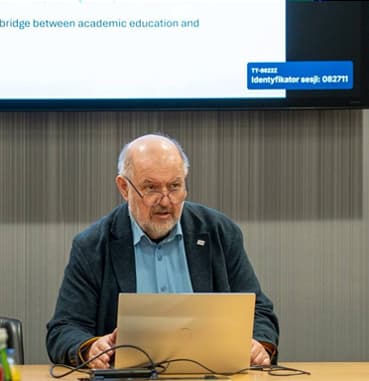
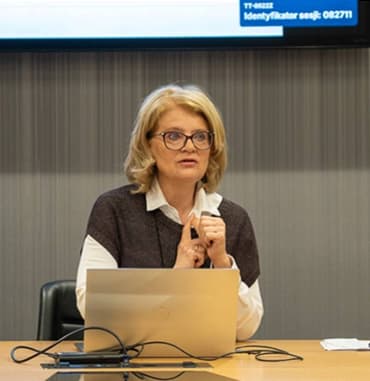
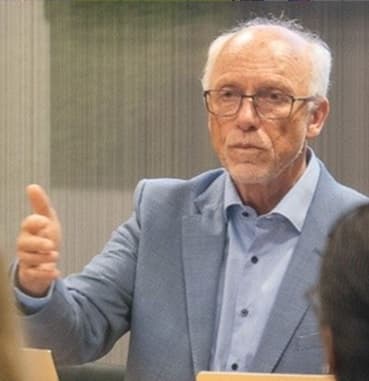
A European perspective was presented by Prof. Conny Antony, Chair of the European EuroPsy Committee for EuroPsy, who outlined the role of EuroPsy standards in ensuring the quality of professional preparation. This was followed by presentations by Prof. Beata Krzywosz-Rynkiewicz and Prof. Adam Tarnowski from the National EuroPsy Awarding Committee in Poland, who discussed Polish experiences with implementing supervised practice.
Participants exchanged views on how EFPA and EuroPsy standards and recommendations could inform future solutions in Poland. Particular attention was paid to the distinction between classical supervision, especially well established in psychotherapy, and supervised practice after graduation, whose aim is to provide comprehensive preparation for independent professional work as a psychologist. This model includes not only support and reflection on practice, but also competence development, quality monitoring, and assessment of readiness to enter the profession.
Poland has already developed experience in this area. To date, 45 supervisors and internship mentors have been trained, and for the past six years they have supported graduates in the process of preparing for independent psychological practice.
The meeting concluded with a discussion involving representatives of psychology faculties and members of the Organising Committee of Chambers of Psychologists. The outcomes of the meeting are expected to contribute to recommendations on possible systemic solutions for organising supervised practice and supporting early-career psychologists in Poland.